What’s Next for Parivahan: Upcoming Features in 2027?
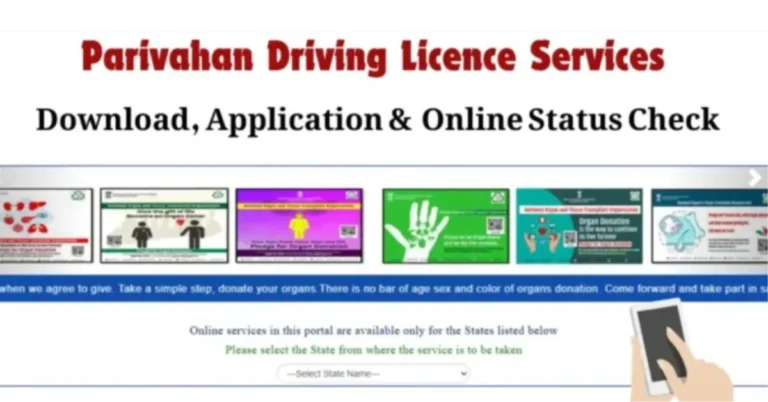
The Parivahan Portal has changed how Indians interact with vehicle and driving license services online. Already today you can register vehicles, Parivahan Portal check e‑challans, renew licenses, and more from your phone or computer. But the government and portal developers are planning more upgrades and smarter features for the future.
Here’s what you should know about the upcoming trends and possible new features for Parivahan in 2027, explained in simple language:
Smarter Traffic Tracking and Alerts
The Parivahan system is likely to start integrating real-time vehicle and traffic monitoring tools. This means better tracking of things like challans (traffic fines) and automation of enforcement across cities and highways.
Some states are already issuing thousands of online challans every day thanks to digital enforcement being connected with the Parivahan system. This sets the stage for even more tech‑based tracking features in the future.You can also read: Why Doesn’t mParivahan Match Vahan Portal Data?
More Vehicle and Driver Services Online
Parivahan already lets you do things like vehicle registration, driving licence updates, and checking challans online. The portal has two main parts — VAHAN for vehicle services and SARATHI for driving licences — and both will likely become even more powerful in 2027.
Expect new options like:
More detailed vehicle reports
Faster document uploads
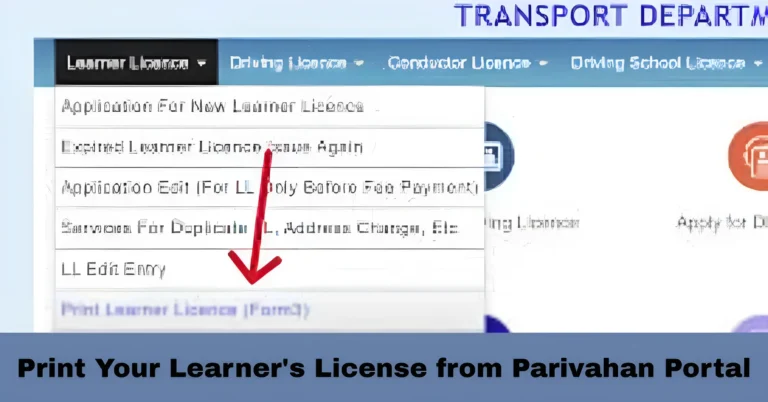
Even smoother licence renewals
Even smoother licence renewals
AI‑Driven Help and Support
Future upgrades might include smart chatbots or voice helpers to answer your questions right in the portal or app. Instead of waiting on help desks, users could get instant answers about traffic fines, appointment status, or required documents.
AI features could also help with:
These types of smart tools are becoming common in government portals and digital services around the world.
Even Better Mobile App Experience
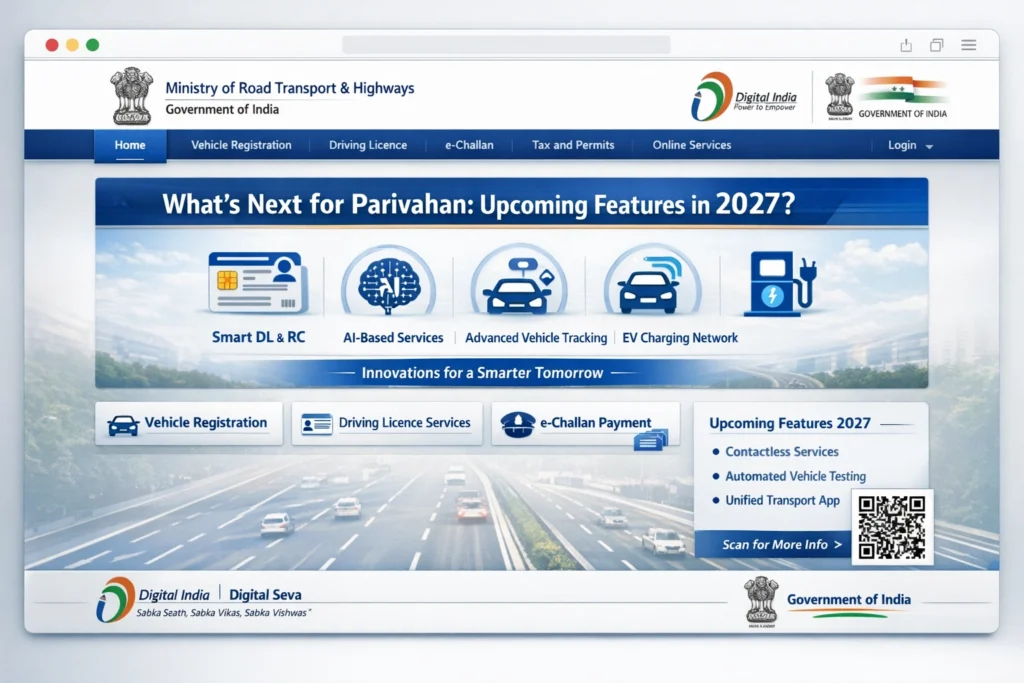
The mParivahan app is already very useful today, but expect it to become even more central in 2027.
The app will likely get:
Better notifications for challans and renewals
More integration with digital IDs like DigiLocker
Easier access to driving license and RC details
This will continue helping people skip long queues and manage transport services right from their phones.
Wider Integration With Road Safety and Smart Roads
Parivahan may also connect more broadly with smart road technologies, like vehicle‑to‑vehicle communication or automated detection systems. These systems help improve safety and enforcement across the country.
Even if not part of the portal itself, these technologies work alongside Parivahan and add valuable data — which may be reflected in future portal features.
For example, technologies in development could let vehicles and authorities exchange safety alerts automatically on the road.
Better Customer Support and Rural Access
A common challenge today is digital literacy and access for people in smaller towns or rural areas. Future upgrades could include:
This would help everyone benefit from Parivahan’s services — no matter where they live.
FAQs
Final Words
By 2027, the Parivahan Portal is expected to go beyond basic online services and become smarter, faster, and more user‑friendly. The focus will be on:
Digital automation for traffic enforcement
Expanded online services for vehicles and drivers
Better support through AI and mobile apps
Stronger connectivity with safety technology
Improved access for all users
These changes will help reduce RTO visits, speed up transactions, and make it easier for everyone to manage vehicle and licence needs.