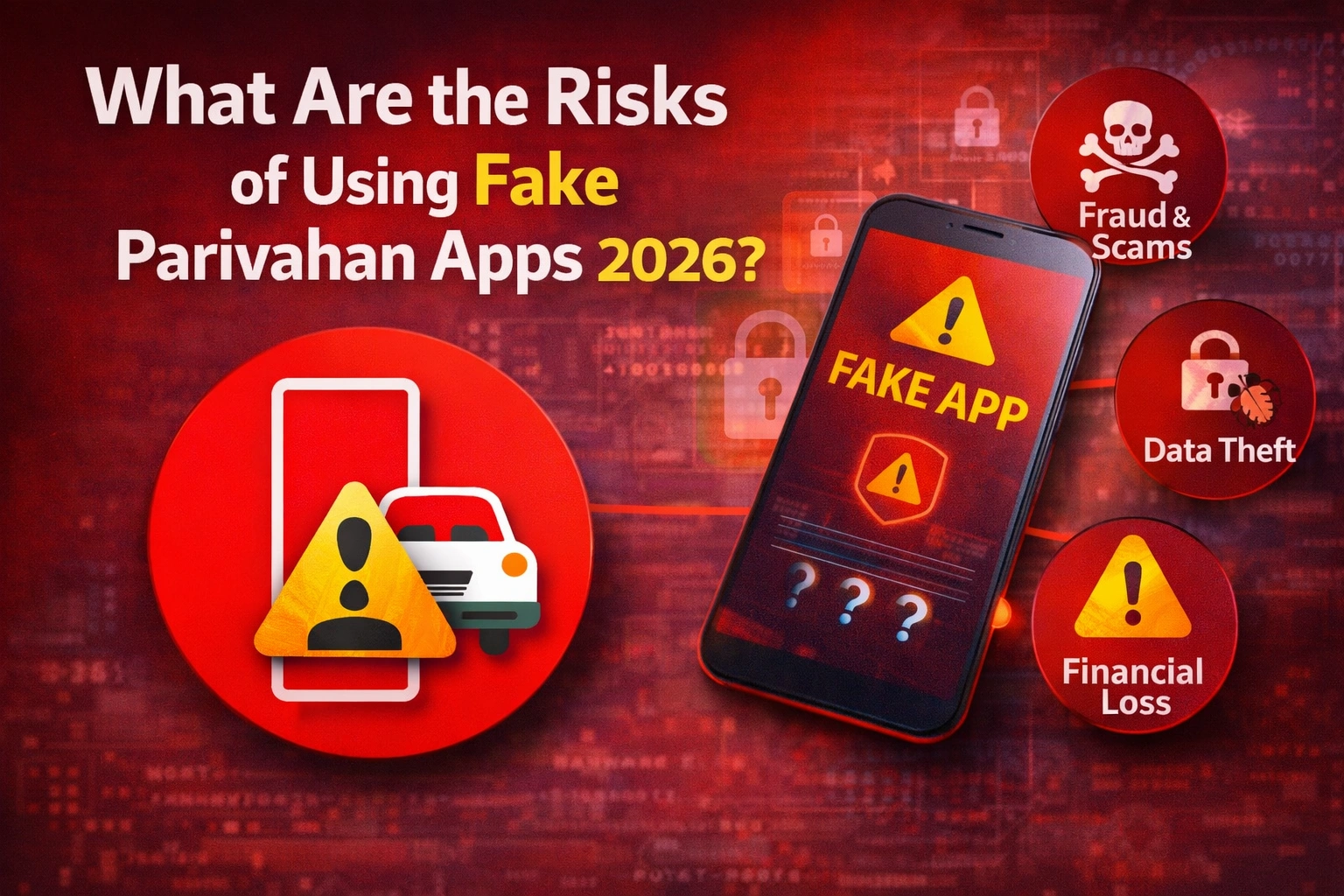
What Are the Risks of Using Fake Parivahan Apps 2026 ?
If you use your phone to check traffic fines, driving license details, or vehicle info, you might have heard of the Parivahan app. But there’s a big problem going around right now — fake Parivahan apps and scam links are circulating,Parivahan portal especially on WhatsApp and other messaging apps. These look real, but they’re dangerous.
In this article, we’ll explain the real risks, in simple language, and give you practical tips to stay safe online.
Your Personal Data Can Get Stolen
Fake apps often ask for access to your messages, contacts, SMS, and notifications — more than the real app ever would. Once you allow those permissions, the scam app can:
Read and upload your SMS messages (including OTPs)
See notifications from banking apps and social media
Access your contact list
All this data can then be sent to hackers without your knowledge.
This kind of data theft puts your privacy and identity at risk.You can also read: How to Avoid Traffic Fines on Parivahan Portal
Your Money Could Be Lost
One of the biggest dangers of fake Parivahan apps is financial fraud. Once a malicious app is installed, it can:
Intercept your OTPs (one-time passwords)
Access banking or payment apps
Initiate unauthorized transactions
In some cases reported online, people have lost thousands of rupees after installing a fake app that looked legitimate.
Sometimes, the scam starts with a message claiming a traffic fine, urging you to download an app to pay — but the link is fake.
Your Phone Can Be Hijacked
Some fake Parivahan APKs act like malware — software designed to harm your device. Once installed, these apps can:
This means hackers could even take control of your phone and use it to send scam messages to your contacts.
So something that looks harmless can quickly turn into a full device takeover.
Scammers Use Official Government Names to Trick You
Scammers know that people trust government apps. So they name their fake apps very close to the real Parivahan app name and send messages that look official. They might include:
This makes it easy to be fooled, especially if you’re in a hurry.
You Could Get Trapped by Fake Websites Too
It’s not just apps — scam websites are part of this too. Some fake sites mimic the official Parivahan portal and prompt you to enter personal details or make a payment. These look real but are designed only to steal your info.
Tips to Stay Safe
The good news? You can protect yourself with a few simple steps:
FAQs
Final Words
Fake Parivahan apps might look harmless at first — but they can steal your data, drain your bank accounts, and compromise your phone. Always be cautious with apps, links, and messages that ask you to download something outside official channels. Staying alert and informed is your best defense.